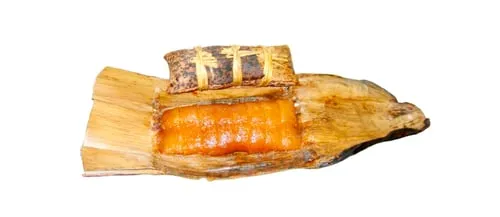
- Q.What is the best Japanese dessert?
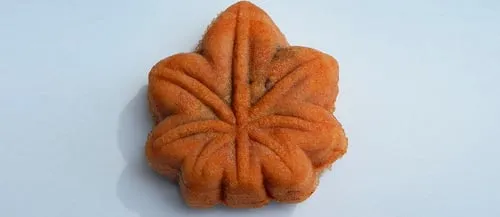
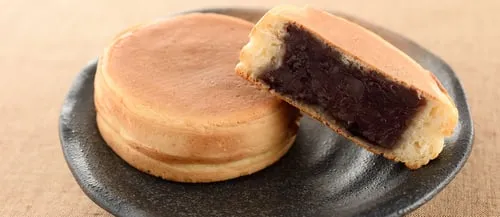
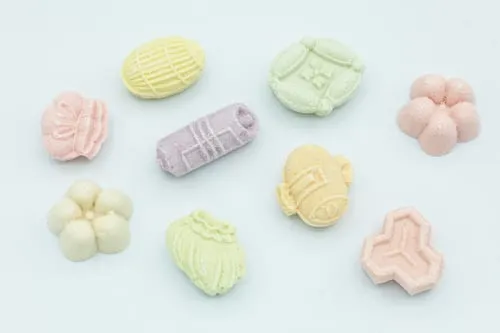
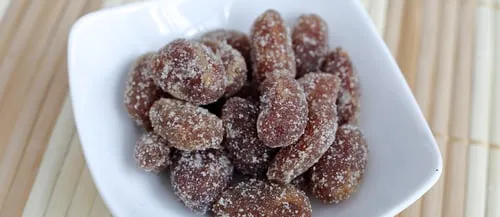
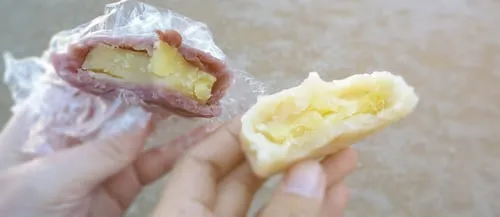
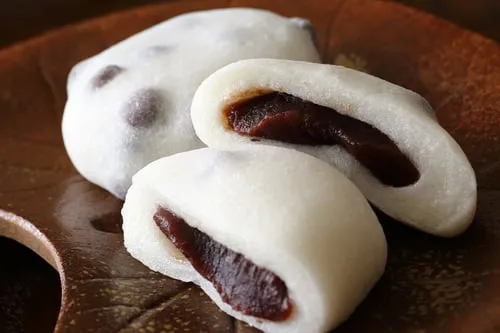
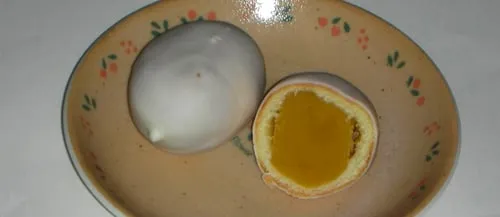
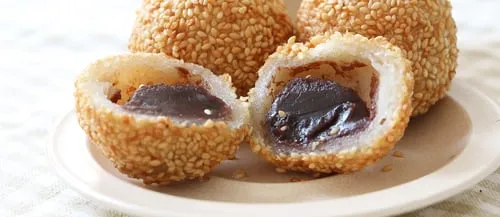
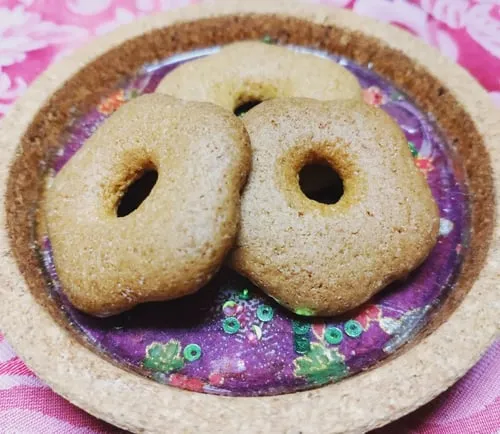
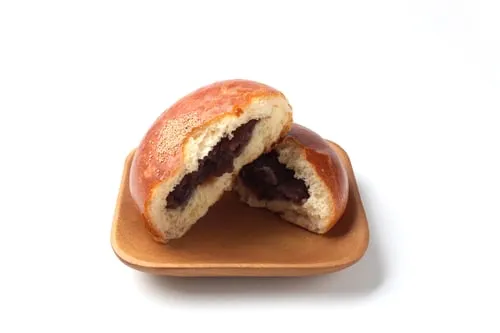
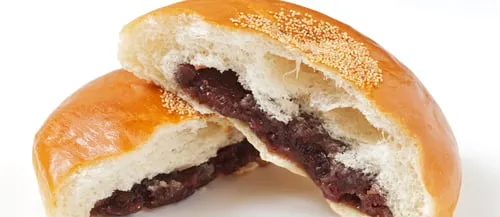
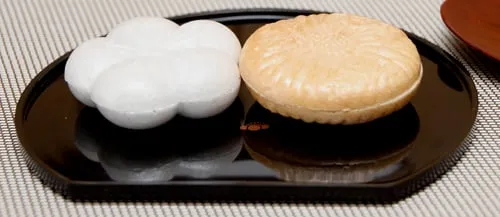
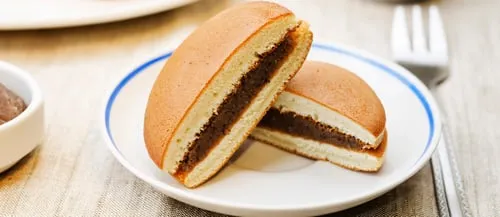
- By our diners' ratings it's momiji manjū, the maple-leaf sweet cake of Miyajima filled with red bean paste, at Nº 1,160 worldwide. Behind it come the round griddle-cake imagawayaki, the dry pressed tea sweet higashi, and Tokyo's sugar-glazed bean confection amanattō.
- Q.What are Japanese sweets actually made of?
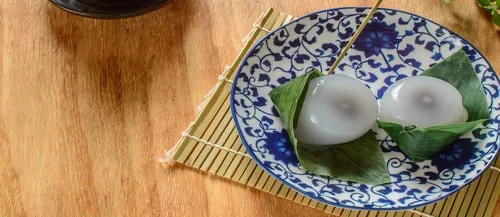
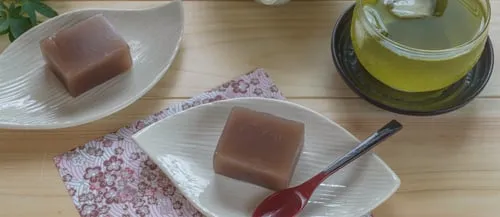
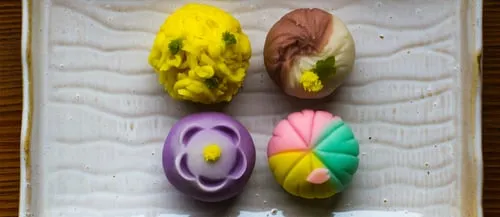
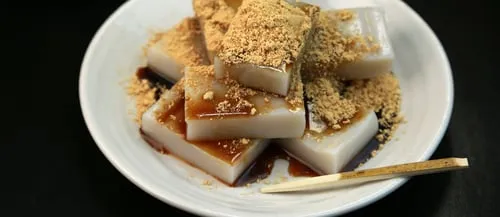
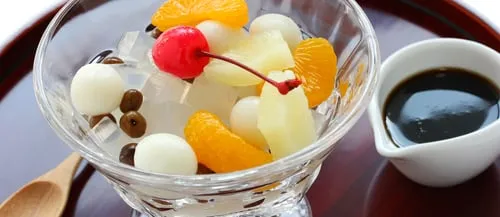
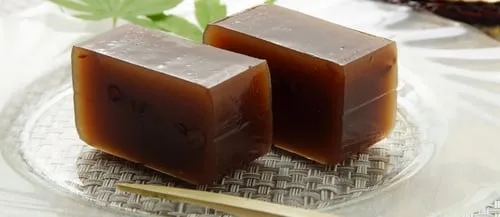
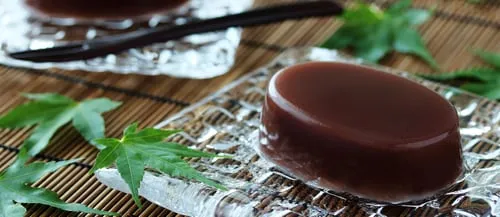
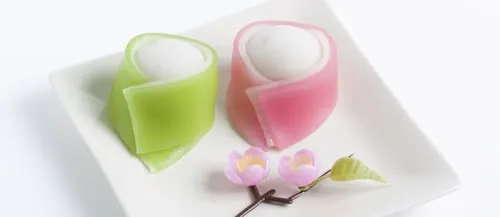
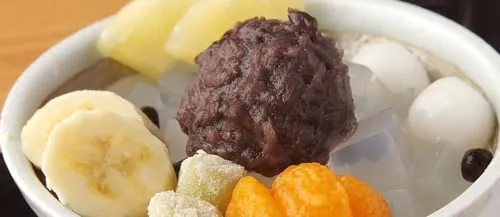
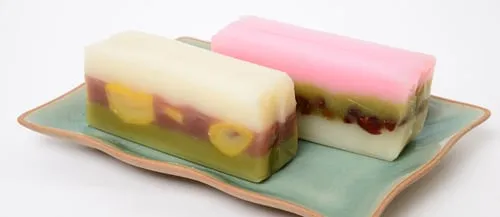
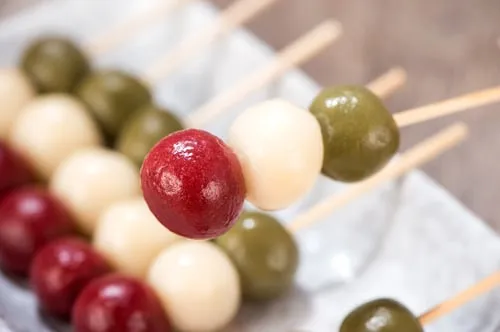
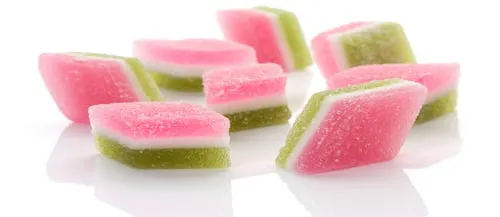
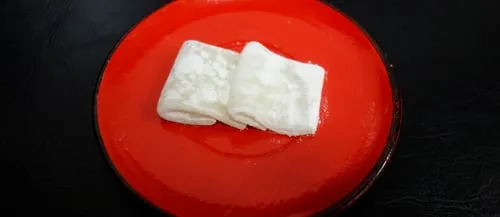
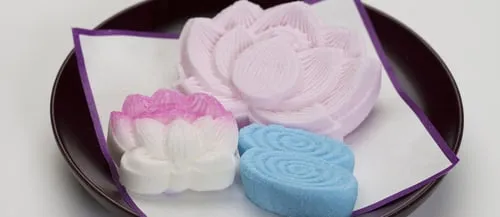
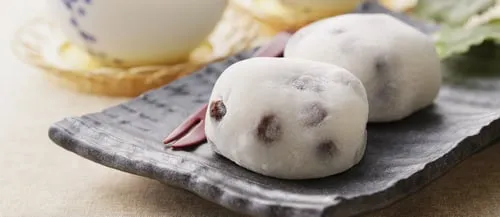
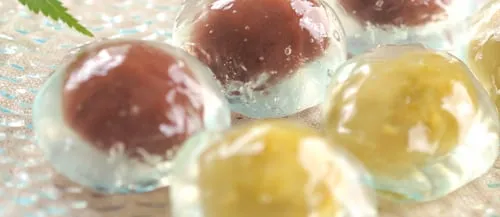
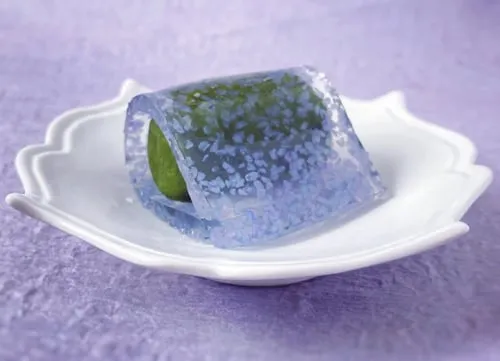
- Mostly beans and rice, not butter and cream. Most of Japan's 71 ranked sweets are wagashi: mochi pounded from glutinous rice, anko paste simmered from azuki beans, and kuzu or agar set into jelly, as in the near-clear mizu manjū. They are far less sweet than a Western dessert.
- Q.What is the most famous Japanese dessert?
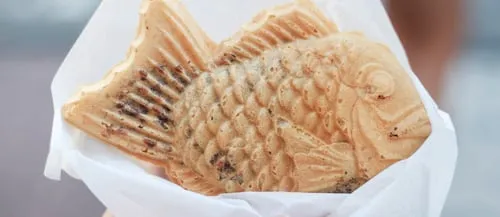
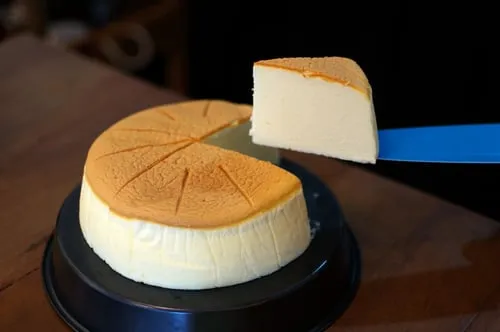
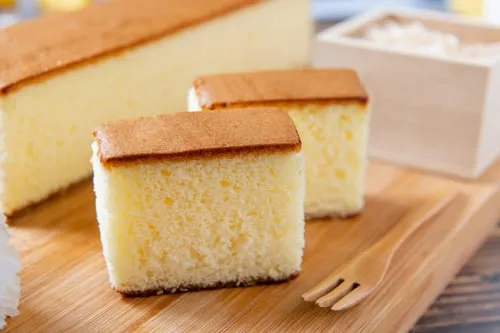
- By number of ratings, taiyaki, the fish-shaped cake filled with sweet bean paste, is the most-reviewed Japanese sweet, with 113 ratings. The souffle-light Japanese cheesecake is close behind on 98. Both are far better known abroad than our top-rated momiji manjū.
- Q.What is mochi?
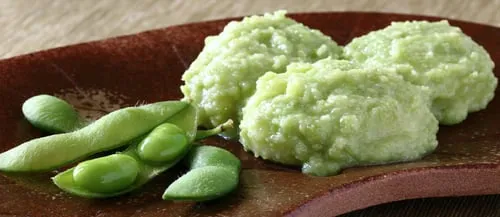
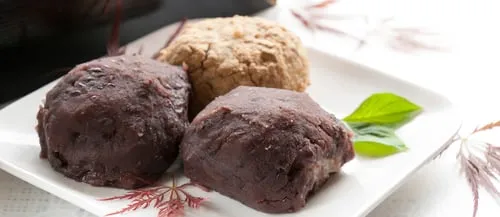
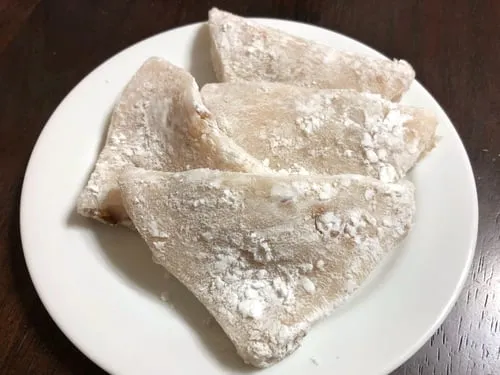
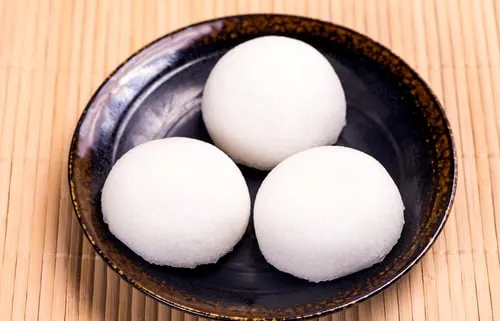
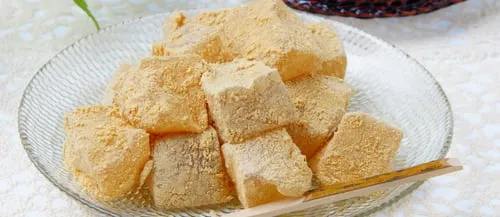
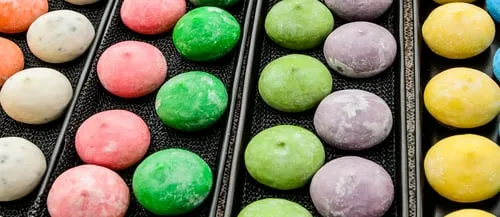
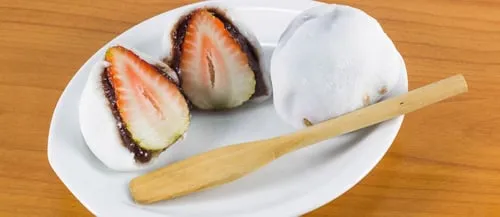
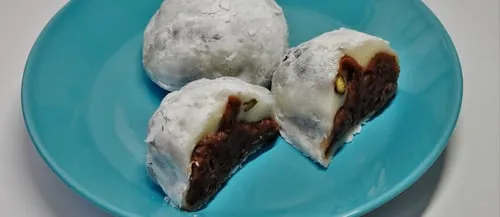
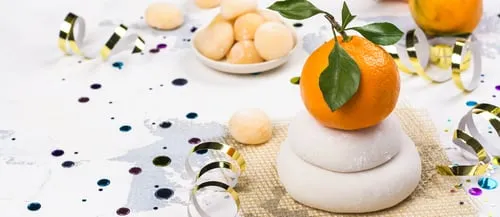
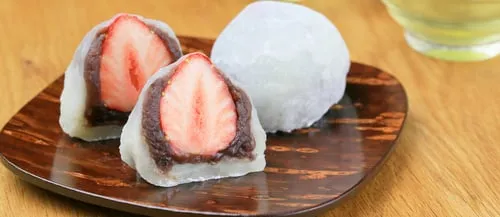
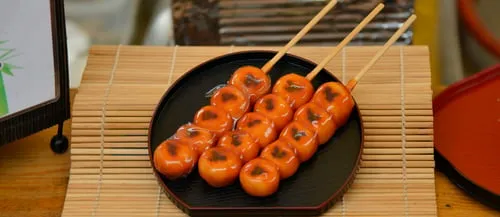
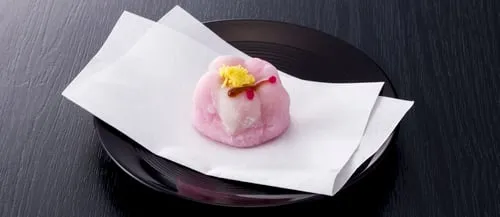
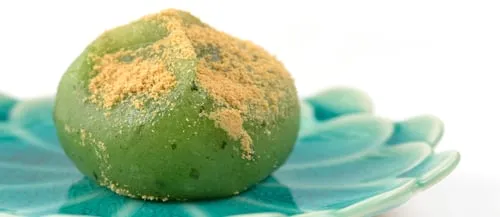
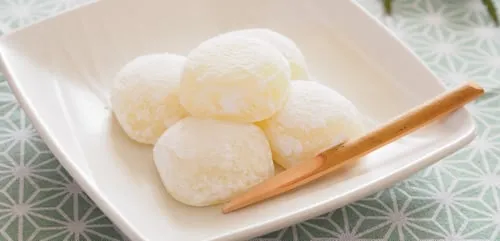
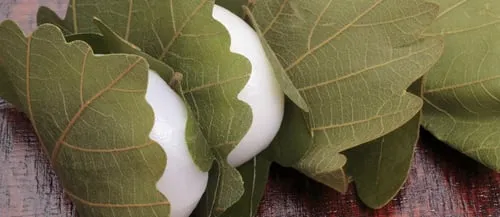
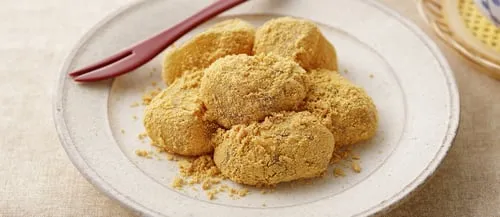
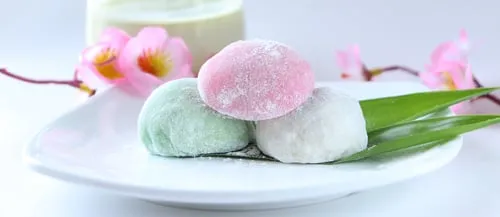
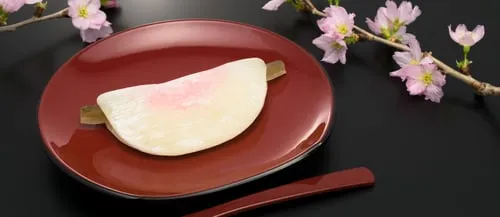
- Mochi is a chewy cake of glutinous rice, steamed and then pounded until smooth and stretchy. It anchors a whole family of ranked sweets here, from Sendai's edamame-topped zunda mochi to the spring peony-shaped botamochi wrapped in azuki paste. It can be eaten plain, grilled, or filled.
- Q.Which region of Japan makes the most sweets?
- Among sweets with a named home, Tokyo leads with six, from amanattō to taiyaki, ahead of Iwate Prefecture and Kyoto with two apiece. Most of the ledger is logged simply as pan-Japanese, the shared wagashi tradition rather than one town's specialty.
- Q.Where else should I look for great desserts?
- The pastry nations, mostly. Worldwide the department runs to 2,151 sweets from 154 countries, topped not by any famous name but by Algeria's almond makroud at Nº 8. Italy alone fields 305 ranked desserts; nearer to Japan, India lists 50 and China 26. See Desserts & Sweets worldwide.